For many US service businesses, the most valuable Google Ads conversion is a phone conversation with someone who needs the right service, is inside the service area and is ready for a next step. Yet many accounts optimize toward call-button clicks or every call above an arbitrary duration.
A wrong number, an existing customer seeking support and a qualified prospect may all look similar in the top-line conversion count.
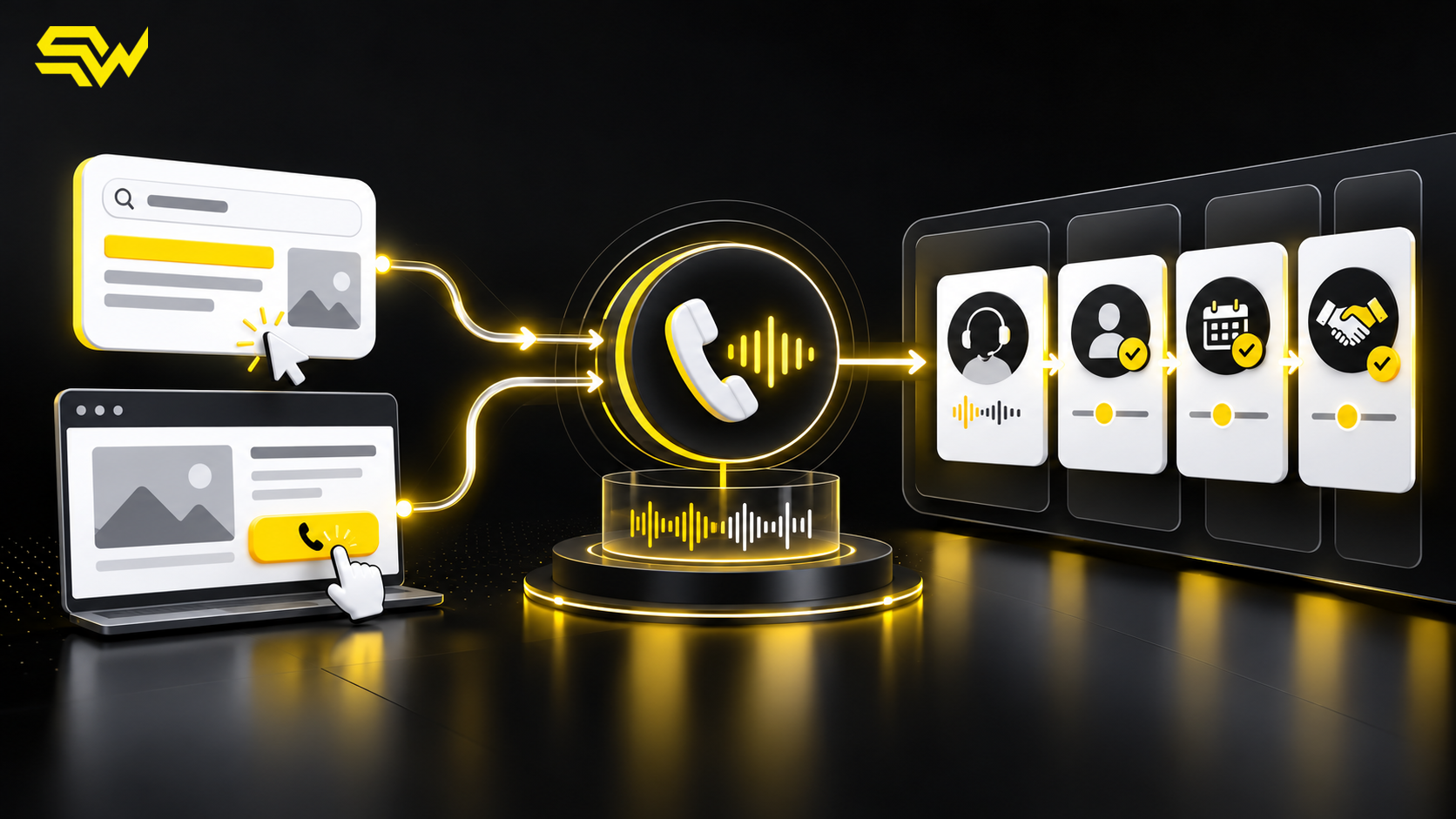
A useful Google Ads call-tracking setup should answer three questions: Which ad interaction produced the call? Was the call answered and meaningful? Did it become a qualified lead, appointment or sale?
Choose the call conversion that matches the customer journey
Google Ads offers several ways to measure phone activity. They are not interchangeable.
| Measurement method | What it records | Main limitation |
|---|---|---|
| Calls directly from ads | Calls through call or location assets using a Google forwarding number | Call duration is not the same as lead quality |
| Calls from a website | Calls to a forwarding number shown after an ad visit | Requires correct tag and number-replacement setup |
| Mobile phone-number clicks | Taps on a phone link or button | Measures the click, not whether a call connected |
| Imported call conversions | Offline outcomes associated with tracked calls | Requires dependable call records and import operations |
Google documents that call reporting uses forwarding numbers and can report call time, duration and connection status. It also states that a mobile phone-number click does not prove a call occurred. Choosing which event should guide bidding is a business recommendation.
For most lead-generation accounts, our recommendation is to keep click-only actions secondary. Use a connected call or a verified downstream stage as the primary goal when the data is reliable enough.
Audit account-level call reporting first
Call reporting must be enabled for Google Ads to use forwarding numbers with call assets and call ads. Google routes the call to the business's number; turning reporting off displays the direct number but removes Google's call-level measurement.
Check these items before changing bids:
- The destination number reaches the correct team, location or after-hours route.
- Call assets are attached to the intended campaigns and approved.
- Business hours match periods when someone can answer.
- The default “Calls from ads” conversion action is reviewed rather than accepted blindly.
- Minimum length, value, attribution and primary/secondary status reflect the business process.
- Test calls are excluded from performance interpretation.
Google forwarding numbers can change and should not be reused outside call reporting or printed as a permanent company number.
Test website call conversion tracking end to end
Website call tracking replaces the business number for eligible visitors who arrived after an ad click. Google's instructions require the displayed number to match the tag configuration and the site to use the Google tag plus the phone snippet or corresponding Tag Manager setup.
Test on both desktop and mobile:
- Use an eligible ad-click path or tag-debugging method.
- Confirm the number changes without breaking the phone link.
- Place a test call and verify that it routes to the correct destination.
- Confirm the call appears in the call-details report with the expected campaign context.
- Check that the conversion counts only after the configured condition.
If a site uses third-party dynamic number insertion, do not layer a second replacement method without a compatibility plan. Google does not recommend its standard Tag Manager website-call tag for sites already using dynamic number insertion or third-party call tracking.
Phone measurement also depends on a usable landing experience. Review the Google Ads landing-page audit checklist for mobile clarity, message match, trust signals and reliable conversion paths.
Do not use call duration as a quality label
A minimum duration can filter some accidental calls, but it is only a proxy. A qualified caller might book quickly, while an unqualified caller may take several minutes.
Compare connected and missed calls, duration and time of day with CRM outcomes. Set the threshold from actual call patterns and revisit it after enough reviewed calls—not from a generic industry number.
Google's counting guidance supports “One” when the objective is one unique lead per ad interaction. “Every” may suit transactions where each sale has value. Review each action so repeated calls do not inflate lead totals.
Send qualified call outcomes back to Google Ads
The strongest setup connects ad attribution with the result of the conversation. Google supports importing call conversions when a tracked call later becomes a valuable action, and its qualified-lead setup allows conversions to be tracked by calls as well as clicks.
Create definitions that sales and marketing can apply consistently:
- Answered call: a person or approved answering service connected.
- Qualified call: the prospect matches the service, location and other material criteria.
- Booked call: a consultation, estimate or appointment was scheduled.
- Converted call: the agreed business outcome was confirmed in the CRM.
Retain the call time and caller information required for matching, record the CRM disposition and upload only agreed stages. Google's call conversion import guide explains technical requirements. The offline conversion tracking guide covers ownership, timing and validation.
Do not make an imported qualified call and the original duration-based call two equal primary goals if both describe the same journey. Keep the earlier signal available for diagnosis, but give bidding a clear outcome.
Example: a regional home-services campaign
Consider a hypothetical plumbing company advertising across two US metros. Some 60-second calls are outside its service area or existing-customer support requests.
It could keep connected calls as an observation signal, schedule ads for staffed hours, route each location correctly and import only qualified new-service calls. A weekly review would compare spend, answered calls, qualified calls, booked jobs and cost per qualified call.
This measurement design does not predict results. Volume, matching coverage, sales cycles and staff behavior affect what the account can learn.
Use a weekly call-quality scorecard
Track more than total calls and cost per call:
- Call clicks, connected calls and missed calls
- Qualified, booked and converted calls
- Cost per connected and qualified call
- Answer rate by hour and location
- Duplicate, support, spam and wrong-area calls
- Time from call to CRM disposition
- Import success, rejection and processing lag
If dispositions are slow or inconsistent, improve the CRM lead follow-up automation before treating the imported data as a dependable bidding signal.
Practical takeaway: fix measurement before scaling spend
Start by choosing the correct call source, verifying forwarding and routing, and testing the full website path. Next, separate click-only, duration-based and qualified outcomes. Finally, connect the CRM, monitor upload quality and judge campaigns by qualified-call economics rather than a single top-line conversion number.
Limitations remain: Google forwarding numbers and detailed call data depend on availability and configuration, third-party tracking may require a different implementation, and CRM imports are only as reliable as the records behind them. If call recording is considered, obtain appropriate privacy and legal guidance for the jurisdictions involved.
You can also use SW SOFTTECH's free marketing action plan to identify three priority improvements, recommended channels and practical next steps, with a free consultation option.
For help auditing Google Ads call tracking, conversion goals and CRM feedback, discuss your lead-generation measurement setup with SW SOFTTECH. We can turn the findings into a practical implementation and reporting plan without promising a particular lead volume or return.
Source note: Google Ads documentation on phone call conversion tracking, call reporting, qualified and converted leads and conversion counting was reviewed October 22, 2026. Google Ads interfaces, eligibility and reporting options can change.