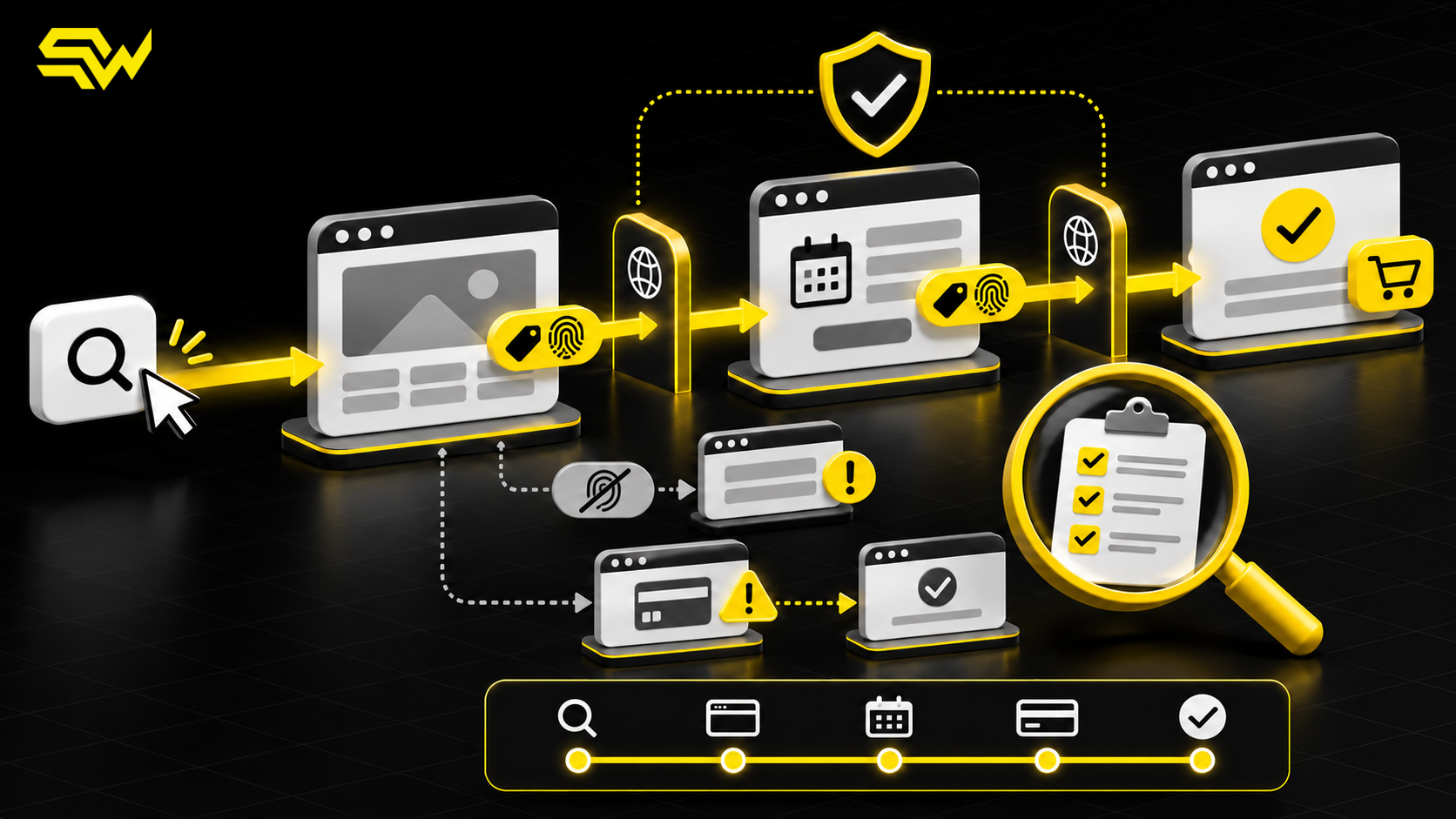
TikTok Smart+ can automate much of a lead-generation campaign, but it cannot decide what a useful lead means to your sales team. If the selected optimization event is a form submission, the system can pursue more submissions even when the business actually needs homeowners in the right ZIP codes, buyers with a minimum project value, or decision-makers with a near-term need.
For US businesses, the practical takeaway is to audit the business signal before increasing automation. Define a qualified lead, choose the right conversion destination, connect the CRM, and review downstream outcomes separately from TikTok’s reported cost per lead.
This article separates platform facts from recommendations. TikTok’s current help documentation was reviewed on November 20, 2026. Recommendations are operating guidance, not platform requirements or performance guarantees.
What Smart+ Lead Generation currently automates
TikTok’s official Smart+ Lead Generation overview says the system automates campaign setup and optimization for the Lead Generation objective. Available destinations include a website, TikTok Instant Form, TikTok direct messages and supported instant-messaging apps. Depending on the destination, the optimization goal can be a website conversion, form submission, conversation or click.
Smart+ still exposes selected controls, including location, minimum age, language, audience exclusions, bidding and dayparting. It uses automatic rather than manual placement selection. Availability can vary by advertiser and account.
TikTok’s upgraded Smart+ workflow, documented in October 2026, can offer full automation, partial automation or manual setup for supported objectives. That flexibility is useful, but it does not make every choice equally appropriate. The audit begins with the outcome your business can verify.
1. Define a qualified lead before selecting the goal
Write one operational definition that marketing and sales can apply consistently. A valid form submission is not necessarily a qualified lead.
For example, a Texas home-remodeling company might define a qualified lead as a homeowner within its service area who wants an eligible project, expects to start within six months and meets an agreed minimum budget. TikTok can optimize for a submitted form, but the CRM must determine whether those conditions were met.
Track at least four separate stages:
- submitted lead;
- valid contact;
- sales-qualified conversation; and
- booked estimate or opportunity.
Do not optimize or report all four as if they were interchangeable. If the team has not agreed on the stages, use this CRM lead-scoring audit to define fit, intent and ownership before changing campaign settings.
2. Choose the conversion destination deliberately
Smart+ supports several lead paths. The best choice depends on friction, qualification needs and follow-up capacity.
Instant Form
TikTok describes Instant Forms as an in-app option that reduces form friction and can sync leads to a CRM in real time. Use one when the offer is easy to understand and a short set of questions can identify obvious mismatches.
For the remodeling example, ask only questions the team will use: ZIP code, project type, expected timing and preferred contact method. More questions can reduce completion; too few can overload sales with ineligible leads. Test that tradeoff.
Website form
A website form gives the business more control over page context, qualification logic and first-party measurement. TikTok’s website lead-generation setup requires the TikTok Pixel for website optimization and recommends configuring multiple relevant event types.
Use a website path when buyers need pricing context, service-area details, proof or a more complex form before submitting. Confirm that the page is fast on mobile and that the ad promise matches the landing page.
Messages
Message destinations can work when conversation is the natural next step, but someone must respond, qualify and update the CRM. Outside staffed hours, set a clear response expectation and capture enough information for follow-up.
3. Treat targeting inputs as guardrails
TikTok’s own Smart+ best-practices page recommends broad targeting, while noting that advertisers can narrow targeting if lead quality suffers. That is a platform recommendation, not proof that broad targeting will fit every local, regulated or high-ticket offer.
Audit location settings against the actual service area. Review minimum-age requirements, language, customer exclusions and any audience suggestions available to the account. Exclude existing customers or recent converters when the campaign’s job is net-new acquisition and the exclusion data is reliable.
Judge the audience by qualified-lead rate and sales outcomes, not cost per submission alone. A broader audience can lower form cost while increasing the sales team’s workload.
4. Give automation useful creative choices
Smart+ needs enough creative variety to learn, but volume does not replace a clear message. Build concepts around different buyer problems, not minor edits to the same video.
For a local service company, one video might diagnose a planning mistake, another show the process, and a third explain who the service is not for. Each should make the location, offer and next step clear.
TikTok recommends adding two to five new creatives when managing fatigue and advises against adding more than ten at once. Treat those as platform guidance, then use your own spend, volume and production capacity to decide the test size. Keep existing winners available long enough to make a fair comparison.
5. Protect the learning period without ignoring risk
TikTok advises avoiding major bid, audience or creative changes during the first seven days and suggests a daily budget of at least ten times the average daily cost per acquisition to support learning. Those figures are recommendations from TikTok, not universal budget rules.
Before adopting them, set business guardrails:
- maximum acceptable spend before review;
- minimum lead volume needed for a useful quality read;
- a fraud or invalid-contact threshold;
- a target qualified-lead cost range; and
- clear pause conditions for policy, tracking or customer-experience issues.
If there is no reliable historical CPA, do not invent one. Use an affordable test budget, record assumptions and separate learning from scaling.
6. Connect every lead to the CRM immediately
TikTok’s June 2026 CRM integration guidance lists direct integrations, third-party tools and custom API/webhook options. Its Instant Form documentation also says Ads Manager stores lead data for 90 days. A manual download process is therefore both slower and less durable than a tested CRM connection.
Map fields, ownership, consent text, duplicate handling and failure alerts. Submit a test lead from each active destination and verify the record, source, timestamp, campaign identifiers and follow-up workflow. The CRM lead follow-up automation guide provides a practical handoff model.
For website campaigns, use the checks in this TikTok conversion-tracking guide to validate browser and server events, deduplication and downstream CRM outcomes.
A go/no-go checklist for Smart+ leads
Launch or scale only when you can answer yes:
- Is the optimization event clearly defined and tested?
- Does the chosen destination match the buyer’s decision and the team’s response capacity?
- Are geography, age, language and exclusions appropriate?
- Do the creatives explain the offer and filter obvious mismatches?
- Does every test lead reach the correct CRM owner promptly?
- Can reporting separate submissions, valid contacts, qualified conversations and opportunities?
- Are privacy, consent and platform-policy requirements reviewed for the offer and locations?
One important limitation remains: Smart+ optimizes toward the signals it receives. It cannot correct a weak offer, inconsistent sales follow-up or a CRM that never returns lead-quality information. If multiple conversion destinations are combined, TikTok notes that spend may be reported across the campaign rather than cleanly attributed by destination, which can limit channel-level cost analysis.
Use SW SOFTTECH’s free marketing action-plan builder to identify three priority improvements, recommended channels and practical next steps, with an optional free consultation. If you need help auditing Smart+ setup, creative inputs, TikTok tracking and the CRM handoff, explore our paid advertising services and contact SW SOFTTECH to discuss a focused TikTok lead-generation review.